UNIT 6 ASSIGNMENT: PLE BLOG POST VR/AR
https://vection-cms-prod.s3.eu-central-1.amazonaws.com/education_banner_d882ff0e86.jpg
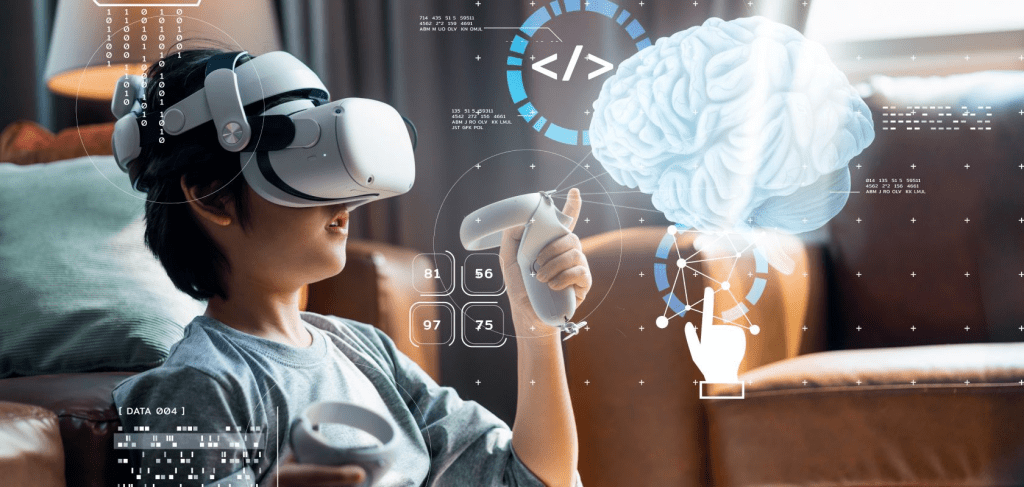
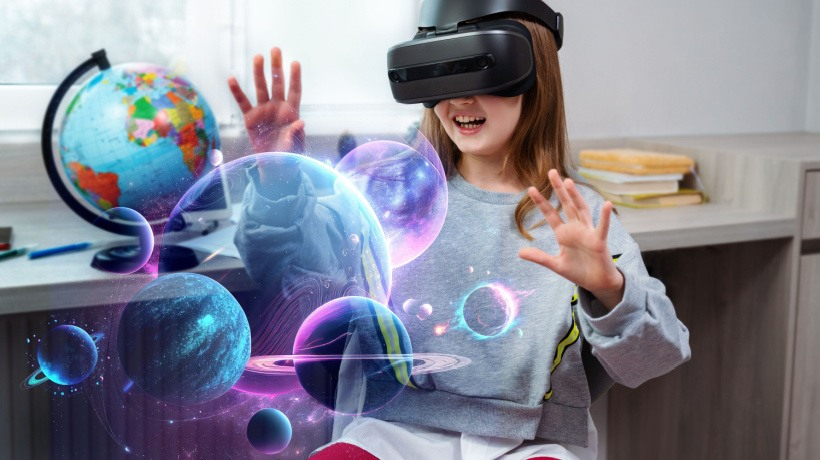
Virtual Reality (VR) is a simulated experience that employs 3D near-eye displays and pose tracking to give the user an immersive feel of a virtual world. Applications of virtual reality include entertainment, education, and business. VR can be used in education to create immersive experiences that help students learn and retain information. Virtual reality enhances engagement and motivation among students. The immersive nature of virtual reality fosters a heightened sense of engagement and motivation.
https://elearningindustry.com/wp-content/uploads/2023/07/Shutterstock_2256192757.jpg
Augmented Reality (AR) is an interactive experience that combines the real world and computer-generated 3D content. The content can span multiple sensory modalities, including visual, auditory, haptic, somatosensory, and olfactory. Augmented Reality can be used in the classroom to create interactive learning experiences that combine digital content with the real world.
Some benefits of AR in the classroom include:
- Engages learners
- Improves comprehension
- Promotes active learning
- Supports students with diverse learning needs
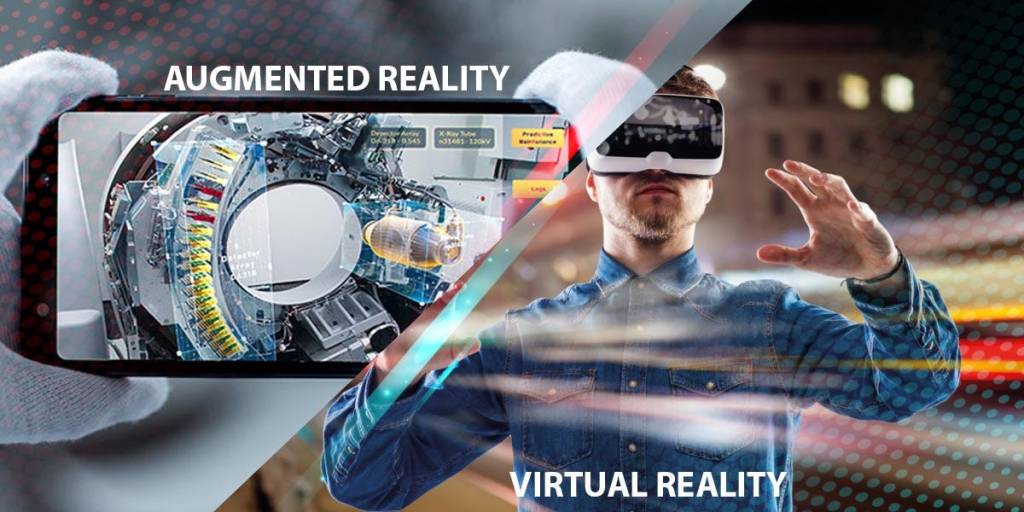
Key differences between VR and AR include Augmented reality (AR) enhances the real world with virtual objects, while Virtual reality (VR) immerses users in a completely virtual environment
There are several disadvantages of using VR and AR in education including cost, health concerns, and safety issues.
- VR and AR equipment and software can be expensive, which can make it difficult for schools to afford.
- VR and AR can lead to dependency on technology.
- VR can cause cybersickness, which includes nausea, dizziness, and headaches.
- VR and AR platforms are susceptible to malicious software, ransomware, and similar vulnerabilities.
Unit six gave me knowledge of Virtual reality and Augmented reality and the many benefits of incorporating these learning trends in education practice. I would likely incorporate both in my teaching practice. One way I would incorporate Virtual reality is by enhancing lessons with virtual field trips on the subject being taught. One major barrier would likely be affordability in providing each student with equipment. In the future, AR and VR will continue to grow with new advancements. Although there are some noted disadvantages of incorporating Virtual reality and Augmented reality in the classroom, the benefits outweigh the problems.
Resources:
Agarwal, A. (2023, December 12). Exploring The Pros and Cons of AR & VR in EduTech. extern Labs. http://externalabs.com/blog/exploring-ar-and-vr-in-edutech/
Hicks, P. (2021, May 12). The Pros and Cons of Using Virtual Reality in The Classroom [Online forum post]. eLearning industry. http://elearningindustry.com/pros-con-using-virtual-reality-in-the-classroom
 Site Title

Leave a comment