Connie Stapleton
EDU 625 – Integrating Learning & Technology
Project – Technology- Infused Learning Unit
Post University
Instructor: Michael Mallery
ELA 101
OVERVIEW & PURPOSE
The purpose of this lesson is to introduce 7th-grade ELA students to the process of short story creation. The lesson will include two sub-lessons: Transitional words and phrases, and Hyperbole.
Lesson/Subtopics
Short story creation process (7 subtopics)
- Generate and Develop Ideas
- Creating Compelling Characters
- Outlining the Plot
- Writing the First Draft
- Revise and Edit
- Gather feedback
- Final Polish and Submission
Sub-lesson part one (Hyperbole)
Sub-lesson part two (Transitional Words and Phrases)
OBJECTIVES
- Upon completion of all instructional lessons, the student will know how to create a short story, including revising and editing, gathering feedback, and outlining the plot.
- Upon completion of the subtopic lesson on transitional words and phrases, the student will be able to identify and incorporate them into the short story to connect sentences, paragraphs, and scenes.
- Upon completion of the subtopic lesson on Hyperbole, the student will be able to identify and use hyperbole in their writing to add intense emotion, humor, and vivid imagery to their short story.
- Upon completion of all instructional lessons, the students will have completed their first short story and shown proficiency in the subject area.
Rationale
- Short story creation lessons are prepared to supply students in ELA with basic story creation skills and for use in Future ELA courses.
ACTIVITY.
The gamified and mobile learning activities serve as extra support and supplementary lessons for the skills.
Interactive presentation lesson

Lesson Description: The interactive presentation will introduce students to the process of creating a short story. The activity will be presented via PowerPoint, incorporating a YouTube instructional video and a collaborative activity for students. The activity on short story creation includes 7 subtopics. The subtopics are listed below:
- Generate and Develop Ideas
- Creating Compelling Characters
- Outlining the Plot
- Writing the Final Draft
- Gather Feedback
- Final Polish and Submission
Objectives:
- Students will be introduced to the process of creating short stories through a PowerPoint presentation.
- Students will be introduced to the “three-act structure” process of outlining a short story.
- Students will receive extra practice in short story creation through a YouTube instructional video and an interactive collaborative activity.
Instructions: In this activity, students will review PowerPoint presentations, including a YouTube instructional video, and participate in an interactive learning activity.
Evaluation: Students will receive credit for viewing the PowerPoint presentation and participating in the interactive learning activity.
Link to the activity below:
SHORT STORY CREATIONS PRESENTATION.pptx
Mind Maps (short story creation process)
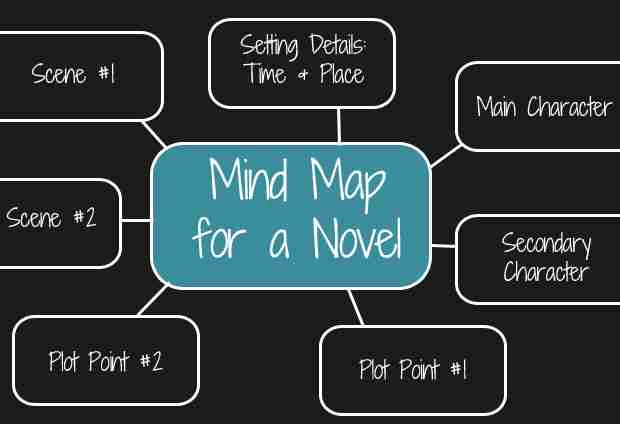
Lesson Description: The mind map activity is used as an extra practice resource to help students gather and develop ideas for their story.
Objectives:
- Students will gain an understanding of the short story creation process by developing mind maps for the 7 subtopics included within an instructional practice lesson.
- Students will demonstrate the ability to create their own mind map after gaining knowledge through practice lessons.
- Students will demonstrate proficiency in creating mind maps for short story creation.
Instructions: In this activity, please choose a mind-mapping tool of your choice and create a map that outlines the steps in the short story creation process.
Evaluation: Proficiency will be determined by students’ ability to create a mind map for short story creation, demonstrating the skills learned.
Link to the activity below:
https://1drv.ms/w/c/6fb2b4b2d626adfa/IQCp0yoiXsrNS4CT0EsaDsZ5AdLR5FtUR9D8EmBxczltNGE?e=juIIZK
Interactive Learning Game (EduCady Studio)
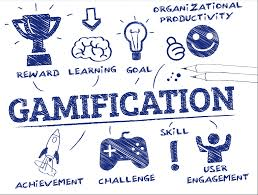
Lesson Description: The activity will be presented via EduCandy Studio. The lesson will consist of two interactive gaming activities on Hyperbole. Students will have the option to learn about hyperbole through multiple-choice, matching, and fill-in-the-blank games.
Objectives:
- Students will gain knowledge of hyperbole through gamified learning activities.
- Students will learn how to incorporate hyperbole statements into their writing to add intense emotion, humor, and vivid imagery.
- Students will demonstrate proficiency in identifying and incorporating hyperbole in short stories.
Instructions: In this activity, please choose one of the two gaming options on hyperbole: Hyperbole statements or Hyperbole interactive activity. Please do at least three activities of your choice.
Evaluation: Students will be evaluated through active participation and proficient performance on each chosen activity.
Link to the activity below:
https://www.educandy.com/site/resource.php?activity-code=1487e9
https://www.educandy.com/site/resource.php?activity-code=1487a9
Mobile Learning (Quizizz)

Lesson Description: The activity will be presented through the Quizizz mobile learning app on transitional words and phrases. The activity will consist of multiple learning lessons on transitional words and phrases, including multiple-choice and fill-in-the-blank questions.
Objectives:
- Students will gain knowledge of transitional words and phrases through a supplementary Quizizz lesson.
- Students will learn how to incorporate transitional words and phrases into their writing to connect sentences, paragraphs, and scenes, providing a logical flow to the story.
- Students will be proficient in using transitional words and phrases and will be able to incorporate them into their completed story.
Instructions: In this activity, please complete all the lessons on transitional words and phrases, including the multiple choice, matching, and categorizing phrases lesson. Follow the instructions provided with each activity.
Evaluation: Students will be evaluated on the proficiency of skills based on the percentage of correct answers in each activity.
Like the activity below:
https://wayground.com/admin/quiz/69e1335420bc3f79d0e06469
Reflection:
Unit 7 Project: Technology-Infused Learning Unit
I have gained a great deal of knowledge about different types of technology-based learning tools during this course. The technology tools I enjoyed the most were interactive presentation tools. Interactive presentation tools can transform a lesson from passive learning into active learning. It provides a deeper, more engaging way to learn. The presentation I’m most familiar with is a PowerPoint presentation. Now that I’m nearing the end of this course, I know the wide variety of technology tools available. I enjoyed exploring all the different technologies, but my least favorite was video technology tools because of the challenges I encountered while using them. I will explore more video tools to improve my experience with them in the future.
The activities in this course have dramatically changed my views on technology for teaching and learning, as I am now armed with knowledge of the added benefits technology provides for learning. In the future, technology-infused lessons will be a common and consistent part of my teaching practices. Technology in education is transforming how we learn and providing tools that create a more engaging, personalized learning experience.
A post from Purdue University College of Education (2024) lists key technological impacts on education below.
- Personalized learning and AL
- Increased Collaboration and Engagement
- Teacher Role Transformation
- Accessibility and Flexibility
- Data-Driven Instruction
- Virtual and Augmented Reality
In the future, I see technology changing education by providing resources that magnify how we learn, including artificial intelligence instruction, virtual and augmented reality classrooms, and changes beyond one’s imagination. All in all, I have truly gained a great deal of knowledge from this course that I will take with me and apply to future studies.
Resources:
How Has Technology Changed Education? [Online forum post]. (2024, January 1). Purdue University College of Education. http://education.purdue.edu/news/2024/01/01/how-has-technology-changed-education/
 Site Title
Leave a comment